



отжиг травление
/The Art of Pickling A Journey into Fermented Flavors Pickling is an age-old method of preserving food, transforming fresh ingredients into tangy, flavorful delights. Across various cultures, pickling has evolved into an art form, celebrated for its ability to enhance the flavors of vegetables and fruits, while also prolonging their shelf life. This article explores the intricate world of pickling, its historical significance, and how to get started on your own pickling adventure. Historical Context of Pickling The practice of pickling dates back thousands of years, with origins rooted in ancient civilizations. The earliest recorded instances of pickling were in Mesopotamia around 2400 BCE, where cucumbers were preserved in brine. As trade routes expanded, pickling techniques spread across the globe, adapting to local tastes and available ingredients. In many cultures, pickled foods became a staple during harsh winters when fresh produce was scarce. For example, in Eastern Europe, pickled cabbage and cucumbers are integral to winter diets, offering both nutrition and flavor. Similarly, in Asia, pickling is an essential culinary practice, with varieties like kimchi and pickled ginger celebrated for their complex flavors and health benefits. The Science Behind Pickling At its core, pickling is a process of fermentation or soaking foods in a brine solution, typically consisting of vinegar, water, and salt. This not only preserves the food but also creates a unique balance of flavors due to lactic acid bacteria produced during fermentation. The acidity of vinegar acts as a natural preservative, inhibiting the growth of spoilage-producing bacteria while allowing beneficial bacteria to flourish. The pickling process can be divided into two main categories quick pickling and fermentation. Quick pickling involves soaking vegetables in a vinegar-based solution for a short period, which is perfect for a fast, flavorful addition to dishes. Fermentation, on the other hand, requires a longer time, allowing natural bacteria to develop deeper flavors and beneficial probiotics. . If you’re ready to embark on your pickling journey, here’s a simple guide to get you started فشار کشیدن خط ترشی 1. Choose Your Ingredients While cucumbers are the classic choice, virtually any vegetable can be pickled. Try carrots, radishes, onions, or even fruits like peaches or watermelon. 2. Prepare Your Brine A basic pickling brine contains equal parts vinegar and water, along with salt and sugar to taste. You can experiment with spices such as dill, mustard seeds, garlic, or peppercorns to customize the flavor. 3. Prepare the Vegetables Clean and cut your vegetables to the desired size. This can range from whole cucumbers to finely sliced carrots, depending on your preference. 4. Combine Place the vegetables in a clean jar, pour the hot brine over them, and seal tightly. If you’re fermenting, leave the jar slightly open to allow gases to escape, and let it sit at room temperature. 5. Wait Quick-pickled vegetables can be enjoyed within a few hours, while fermented varieties typically need a few days to a week to develop their full flavor. 6. Store Once your pickles are ready, store them in the refrigerator or a cool, dark place, depending on whether they’re quick-pickled or fermented. Exploring the World of Pickles As you become more comfortable with pickling, don’t hesitate to experiment. Try adding different herbs and spices, mix vegetables for colorful variations, or even explore international recipes, such as Japanese tsukemono or Indian achar. The possibilities are endless, and the rewards are delightful. In conclusion, pickling is not just about preservation; it’s a celebration of flavors, cultures, and culinary creativity. Whether you’re looking to enhance your meals or dive into a new hobby, the world of pickling offers something for everyone. So grab some jars, channel your inner food scientist, and savor the delicious journey that awaits!

We have successfully executed over 500
projects around the world,
many first-of-their-kind
research projects and products in China, including
We have successfully executed over 500
projects around the world,
many first-of-their-kind
research projects and products in China, including
-
2004
The 1st hydraulic AGC system for hot rolling of ribbon steel
-
2006
The 1st AFC system used for 1450mm skin pass mill
-
2009
The 1st 5-stand tandem line with 2-stand POR & Uncoiler for 650mm ribbon steel
-
2012
The 1st reversing mill for 1380mm strip
-
2016
The 1st soft-rolling system used in skin pass mill
-
2019
The 1st fully automated medium-width tandem cold rolling mill
-
2021
The 1st 5000KN Twin-stand double skin pass mill
-
2022
The 1st coupled pickling line & tandem cold mill with two modes - big roller & small roller
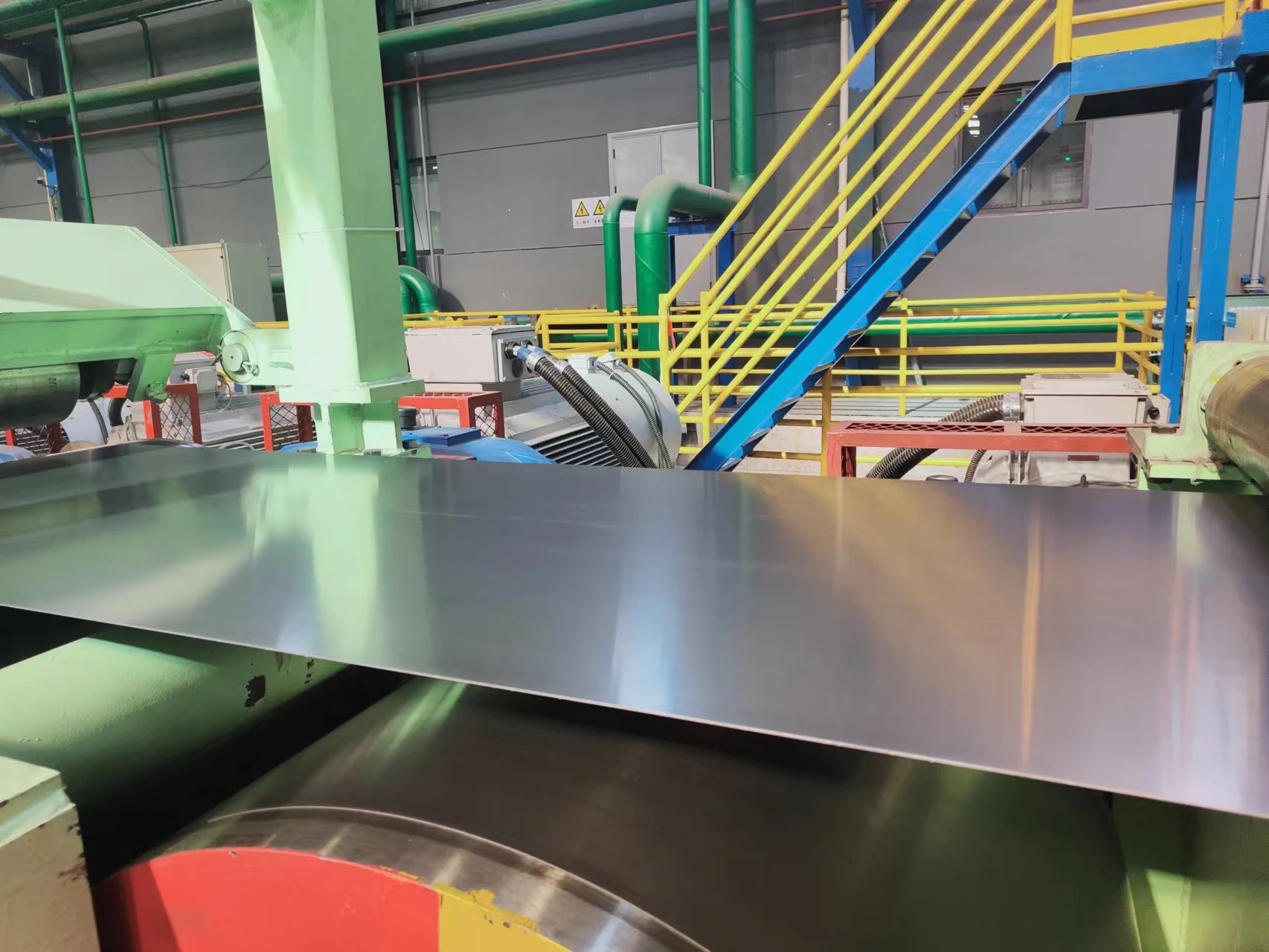
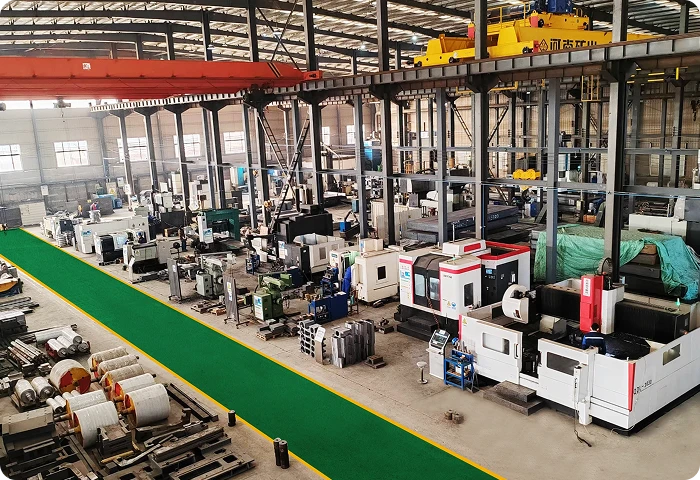
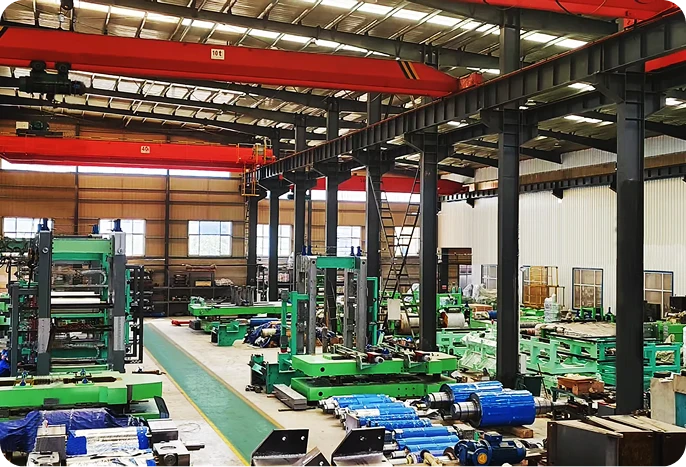
Yang Wang Li Xin operates a state-of-the-art facility over 66,000 square meters,and our manufacturing facility is fully equipped with high-tech machinery and high-capacity cranes. This enables us to handle large work pieces measuring 4.5m in width, 10m in length, and 1.5m in height, guaranteeing our capacity to produce 1800mm skin-pass mills and 1450mm rolling mills. The individual piece can weigh up to 100 tons.


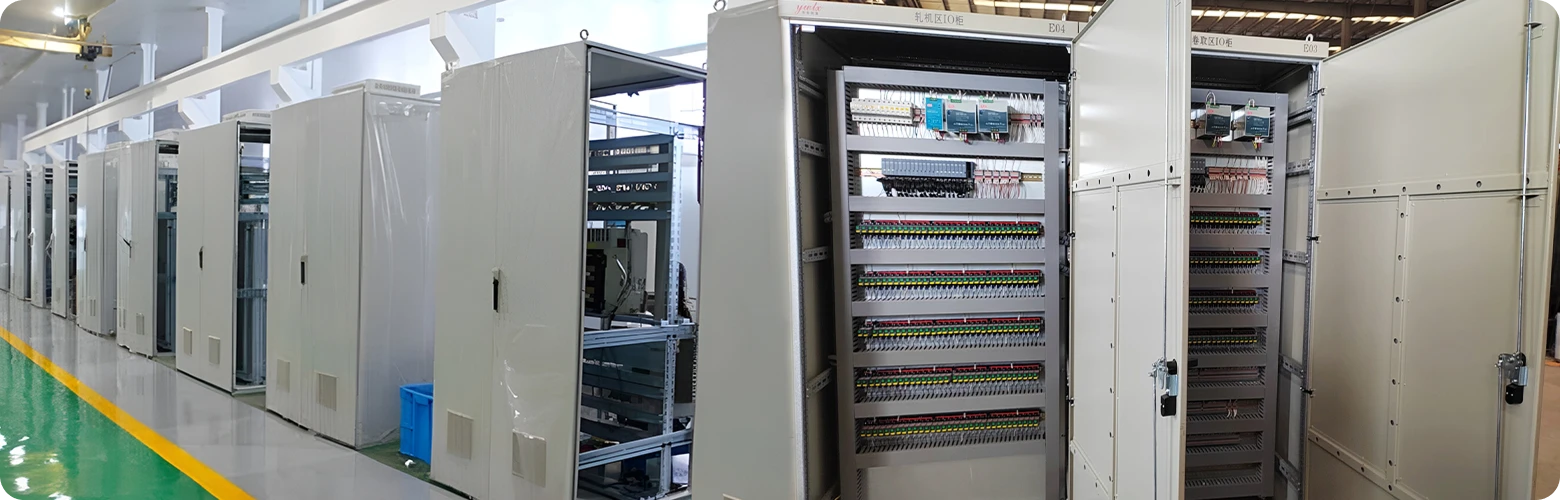
Quality is fundamental to the enterprise survival. We have established a comprehensive and meticulous quality management system and have successfully obtained ISO14000 certification. Starting from the design source, it supervises the entire production cycle, including design, procurement, processing, assembly, in-factory testing, installation, and online commissioning. The workshop is equipped with measuring tools like vernier calipers, spectrometers, hardness testers, and ultrasonic flaw detectors. They are used to check materials and control tolerances to ensure the final equipment meets or exceeds requirements. All products have a unique code, This enables the easy identification and traceability of the equipment components and ensures full control of quality.


-
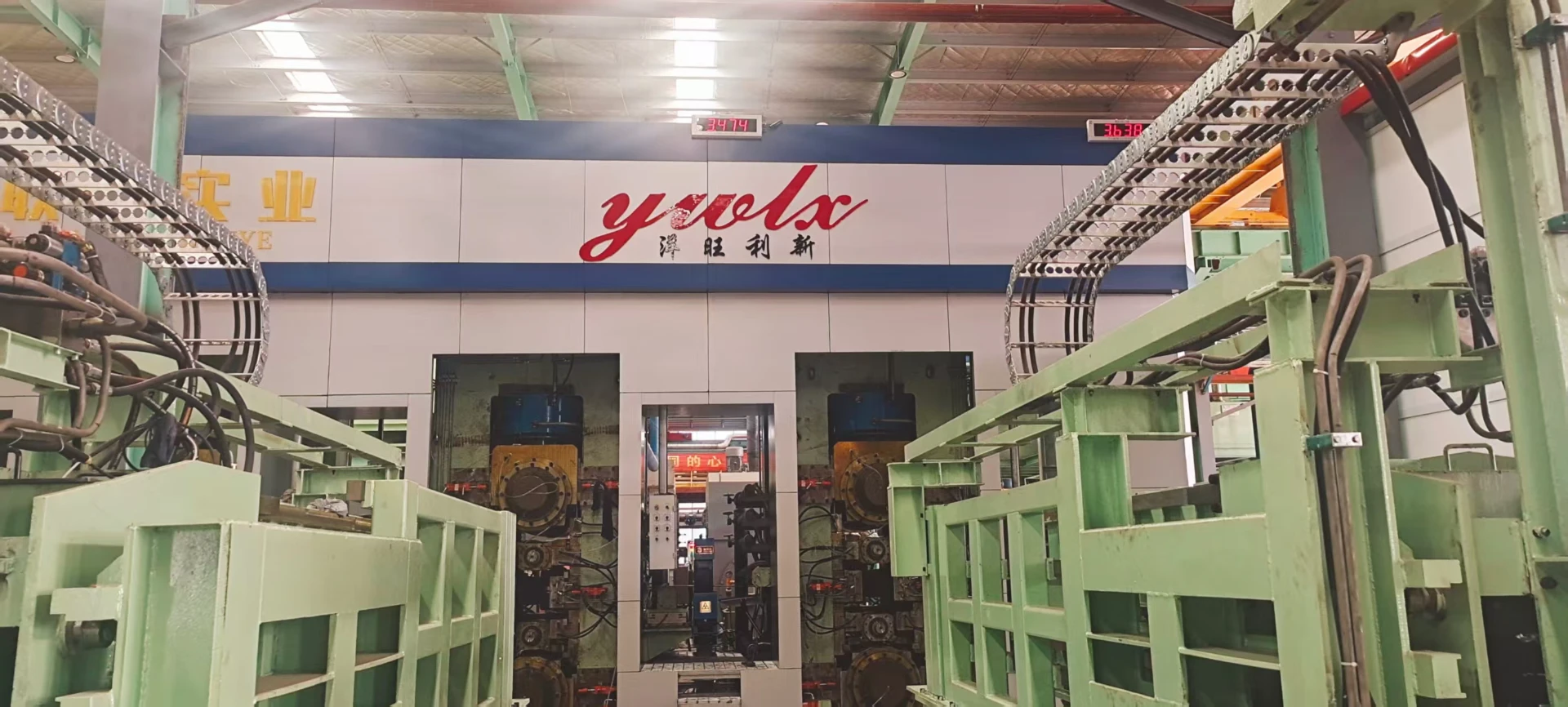 Cladding Rolling Mill-Beijing Yang Wang Li Xin Sci&Tech Co.,Ltd.|High Yield Energy EfficiencyIntroduction The Cladding Rolling Mill represents a significant advancement in metal cladding technology, offering a sustainable and efficient solution for producing high-quality bimetallic and trimetallic strips. Developed by Beijing Yang Wang Li Xin Sci&Tech Co.,Ltd. , this system leverages cutting-edge cold rolling processes to address the limitations of traditional methods such as explosive cl
 -
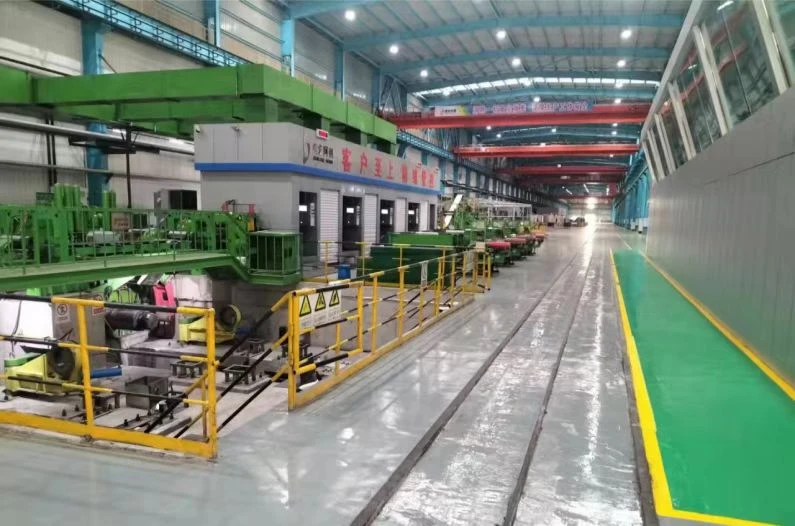 hand rolling millThe Evolution and Importance of Hand Rolling Mills in Metalworking Hand rolling mills have been an essential part of metalworking processes for centuries. These versatile machines are primarily used for shaping and forming metal into various dimensions and profiles according to specific production needs. This article delves into the significance of hand rolling mills, their evolution, and their co
 -
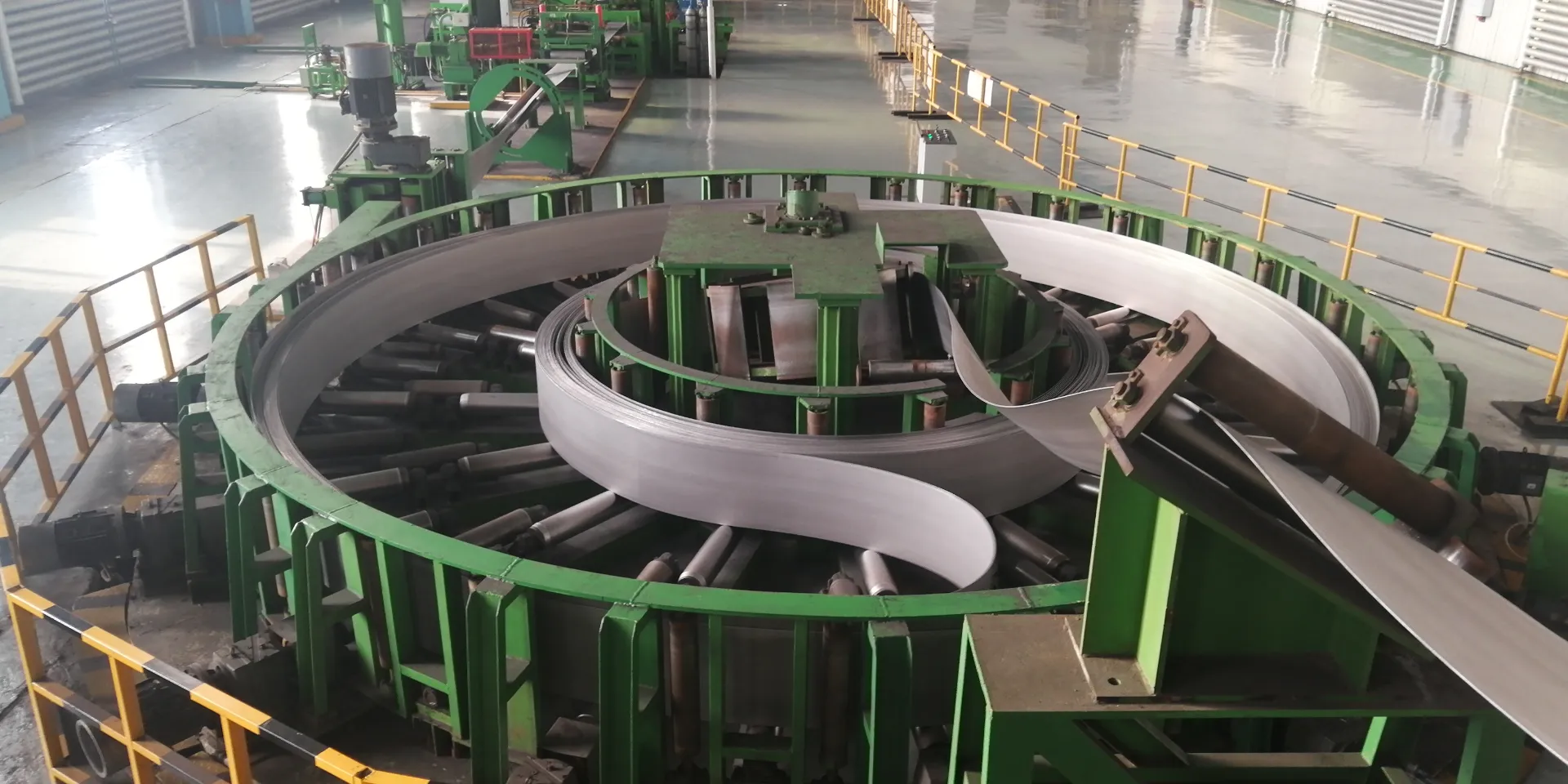 Water Cooling System for Water Tank: Energy-Saving, Precise?Designing a Reliable Water Cooling System for a Water Tank: Field Notes, Specs, and Vendor Tips If you’re wrestling with fluctuating tank temperatures (and the product quality penalties that come with that), a water cooling system for water tank often pays for itself faster than finance predicted. To be honest, most teams underestimate heat load spikes and overestimate the stability of ambient con


